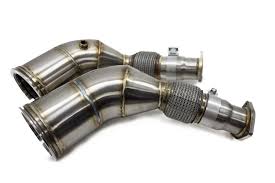
If you own a Mercedes AMG GT63, you already know it’s a beast straight from the factory. With its twin-turbocharged 4.0-liter V8 engine, aggressive stance, and precision handling, it’s built to dominate the road. But what if you could take that performance and sound to the next level? That’s where a Mercedes AMG GT63 downpipe install comes in.
In this guide, we’ll break down what a downpipe is, why upgrading it makes such a difference, and how the installation process works—plus some important tips to make sure you do it right.
What Is a Downpipe and Why Upgrade It?
In a turbocharged engine like the one in your AMG GT63, exhaust gases pass through a component called the downpipe before exiting the rest of the exhaust system. The factory downpipe comes equipped with a restrictive catalytic converter designed for emissions compliance, which can limit exhaust flow.
By upgrading to a high-performance or aftermarket downpipe, you reduce back pressure, allowing exhaust gases to escape more efficiently. This results in:
- Increased horsepower and torque (thanks to better turbo spool)
- A deeper, more aggressive exhaust note
- Reduced turbo lag for sharper throttle response
- Potential fuel efficiency improvements under certain driving conditions
For many enthusiasts, the mercedes amg gt63 downpipe install is the first major performance mod they choose because it offers one of the best performance-per-dollar gains.
Stock vs. Aftermarket Downpipes
Mercedes equips the AMG GT63 with a very well-engineered downpipe for comfort and emissions standards. However, aftermarket downpipes—especially those with high-flow catalytic converters or even catless designs—offer noticeable performance and sound differences.
- High-Flow Catted Downpipes: Maintain some emissions compliance, less exhaust odor, and slightly quieter than catless options.
- Catless Downpipes: Maximum performance and sound, but often not street legal in many regions and will usually trigger a check engine light without proper ECU tuning.
The Installation Process
A Mercedes AMG GT63 downpipe install can be done in a well-equipped home garage by experienced DIYers, but most owners prefer professional installation due to the complexity. Here’s a simplified breakdown of the process:
- Preparation & Safety
- Park the car on a lift or jack stands with plenty of clearance.
- Disconnect the battery to prevent electrical issues.
- Allow the exhaust system to cool fully—these components get extremely hot.
- Removing the Stock Downpipe
- Unbolt heat shields and remove surrounding components for access.
- Disconnect O2 sensors carefully to avoid damage.
- Loosen turbo flange bolts and exhaust-side clamps.
- Slide the stock downpipe out of place.
- Installing the New Downpipe
- Fit the aftermarket downpipe into position, making sure gaskets are properly seated.
- Secure turbo-side and exhaust-side connections to factory torque specs.
- Reconnect O2 sensors (or install spacers if required).
- Final Checks
- Reinstall any heat shields or covers.
- Double-check all bolts for tightness.
- Start the engine and listen for leaks before taking it on the road.
Don’t Forget ECU Tuning
After a Mercedes AMG GT63 downpipe install, your engine’s air-fuel ratio and boost levels may change. To get the most out of your new setup—and avoid potential check engine lights—it’s highly recommended to get an ECU tune.
A good tune will:
- Optimize boost and fueling for the new exhaust flow
- Eliminate unwanted error codes
- Unlock the full potential of the upgraded downpipe
Sound Transformation
One of the most noticeable differences after a downpipe install is the exhaust note. Expect:
- A deeper, throatier idle
- Louder and more pronounced turbo spool
- Sharper pops and crackles during gear shifts (especially in sport modes)
It’s worth noting that this added volume can make the car less stealthy, so if you often drive in quiet neighborhoods, you may want to consider a high-flow catted option over catless.
Costs & Considerations
A performance downpipe for the AMG GT63 can range from $1,000 to $3,000, depending on the brand and whether it’s catted or catless. Professional installation can add $300–$700 to the bill. While the price tag isn’t small, the performance gains and driving experience improvements are often worth it for enthusiasts.
However, before you upgrade:
- Check local emissions laws to avoid fines or inspection issues.
- Understand that some warranty coverage may be affected.
- Choose reputable brands for quality and fitment.
Final Thoughts
A Mercedes AMG GT63 downpipe install is one of the most rewarding modifications you can make if you’re chasing both performance and sound. It transforms the way the car breathes, feels, and even how it announces itself on the road.
 Site Title