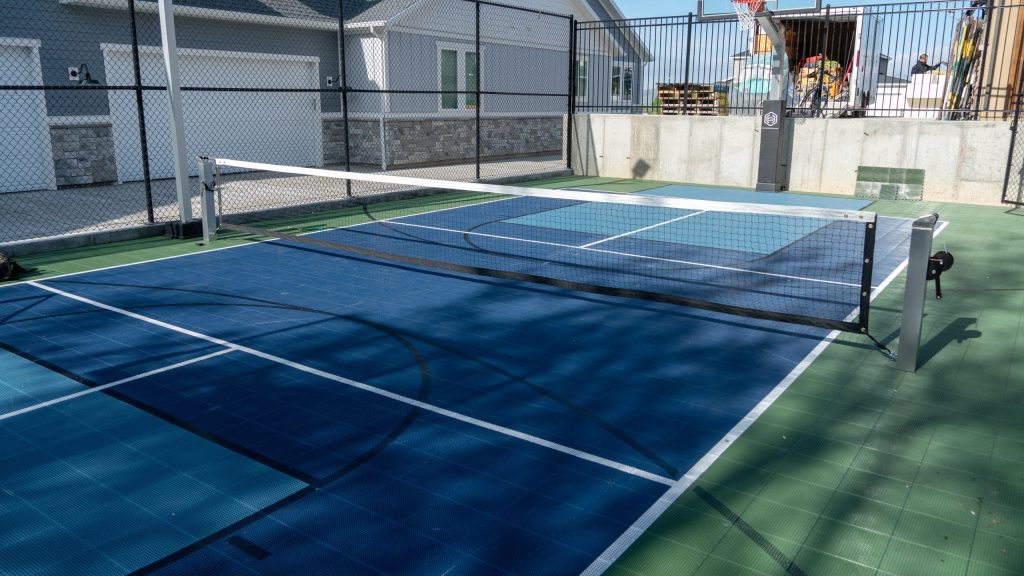
There’s a moment that comes before any good pickleball court exists. It’s quiet. Maybe you’re standing in a patch of unused land, or pacing the edge of a schoolyard, or staring out at a backyard that feels like it could be something more. You’re not thinking about measurements yet. You’re thinking about games, routines, community, maybe even a little pride. And then reality kicks in: how do you actually build this thing the right way?
That’s where most people start to feel overwhelmed. Because a pickleball court isn’t just a project—it’s a commitment. To the players who’ll use it. To the space it lives in. And to the future version of yourself who doesn’t want to fix mistakes that could’ve been avoided early on.
Why Experience Matters More Than Promises
Anyone can say they build courts. Fewer can show you courts that still play beautifully years later. The difference usually comes down to experience—and honesty.
Good pickleball court builders don’t rush the conversation. They don’t lead with prices or flashy finishes. They ask questions. Who will play here? How often? Is this court meant to be social, competitive, or both? What’s the weather like in this area most of the year, not just during the best months?
Those questions matter because pickleball is deceptively demanding on surfaces. Quick starts, lateral movement, sudden stops—it all adds up. Builders who’ve seen real-world wear understand where courts fail and, more importantly, how to prevent that failure before the first line is painted.
Surfaces: Where Feel Meets Function
If there’s one topic that sparks debate among players, it’s surface choice. Everyone has an opinion, usually based on what they’ve played on most. But the truth is, there’s no single “best” surface—only the best fit for a specific situation.
Exploring pickleball court surface options means weighing trade-offs. Acrylic-coated concrete is popular for a reason: it’s durable, predictable, and relatively easy to maintain. Modular tile systems offer drainage and faster installation, which can be a blessing in wet climates. Cushioned layers can be kinder to joints but may slightly change ball response.
What often gets overlooked is how these surfaces age. Some look fantastic on day one and slowly lose traction. Others fade in colour but keep their playability. A thoughtful choice isn’t about trends—it’s about how the court will feel after thousands of games, not dozens.
The Money Question Everyone Avoids
Let’s be honest: budget conversations can be uncomfortable. People want clarity, but they also want reassurance that they’re not overspending. The problem is that pickleball court construction cost isn’t a single number—it’s a range shaped by dozens of small decisions.
Base preparation alone can swing costs significantly. A site that needs excavation, grading, or drainage work will demand more upfront. Surface systems vary widely in price, not just in materials but in labour and long-term upkeep. Lighting, fencing, and accessibility features add layers most people forget to budget for until late in the process.
The real cost mistake isn’t spending more—it’s spending poorly. Saving a little now by cutting corners can lead to resurfacing, repairs, or even full rebuilds far sooner than expected. Courts that cost more initially often turn out cheaper over their lifetime, especially when maintenance and downtime are factored in.
Outdoor Courts Live in the Real World
Outdoor pickleball courts don’t exist in isolation. They live with sun, rain, dust, leaves, and temperature swings. A smart build accepts that reality instead of fighting it.
Proper slope and drainage prevent puddles that ruin play and accelerate surface damage. UV-resistant coatings help surfaces stay consistent rather than brittle. Even the orientation of the court can matter—glare at the wrong time of day can make a great surface frustrating to play on.
The best outdoor courts feel forgiving. They don’t punish players for existing in a real environment. That forgiveness comes from design choices made long before the first serve.
Indoor Spaces Have Their Own Personality
Indoor courts feel controlled, but they’re not simple. Shared facilities mean more traffic, more sports, and more demands on the surface. Noise levels matter. Markings must coexist. Floors have to balance grip with versatility.
Here, restraint often wins. Over-engineering an indoor court can create problems for other users. Under-thinking it leads to safety issues. The sweet spot is a surface that disappears into the background—doing its job quietly, game after game.
What Players Notice (and What They Don’t)
Players rarely comment on a court when it’s done right. That’s the highest compliment. They talk about rallies, partners, bad calls, great shots. Not cracks. Not slippery patches. Not weird bounces near the baseline.
When courts are built thoughtfully, they fade into the experience. When they’re not, they dominate it. That’s why so many seasoned players can step onto a court and feel, within minutes, whether it was built with care or just completed quickly.
Ending With the Long View
Building a pickleball court isn’t about checking boxes. It’s about creating a place people return to—sometimes daily—without thinking twice about the ground beneath their feet.
 Site Title